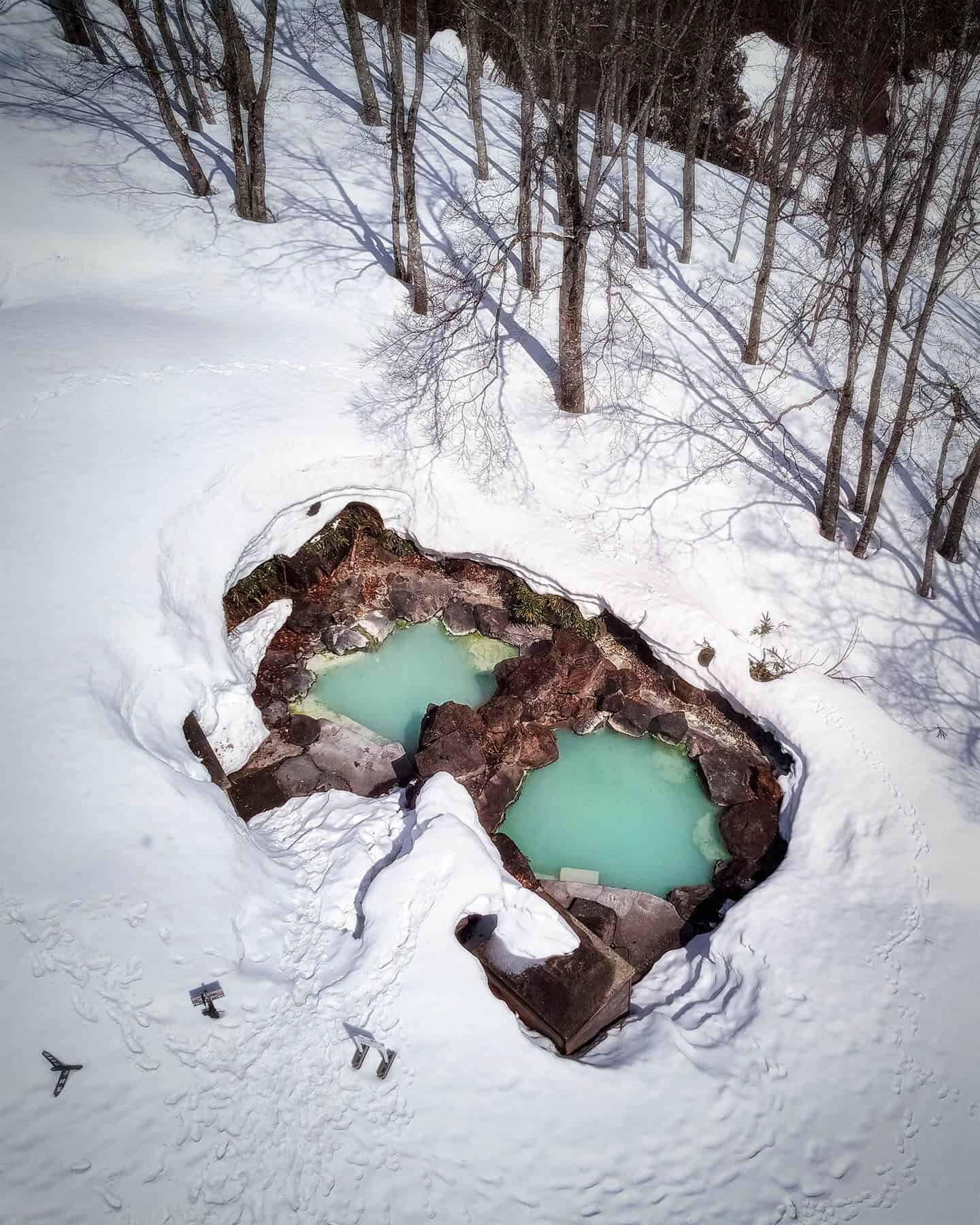
Myoko
Niigata Prefecture
Known For: Heavy Sea of Japan snowfall, deep snowpack, tree skiing, Akakura Onsen village atmosphere
Snow Profile: Dense, heavy powder with significant seasonal depth
Interesting Facts: Myoko sits within the Myoko-Togakushi Renzan National Park. The surrounding region is famous for its sake production, with Niigata Prefecture widely regarded as producing some of Japan's finest rice wine, making post-ski evenings particularly rewarding.
Ski & Snowboard History: Akakura Onsen is one of Japan's oldest ski resorts, with skiing first recorded in the area in the early 1930s. The resort played a formative role in the development of Japanese ski culture and hosted national level competition throughout the mid-twentieth century. Suginohara later gained recognition for having one of the largest vertical drops in Japan, drawing a more performance-oriented crowd to the region.
Hakuba
Niigata Prefecture
Known For: 1998 Winter Olympics, vast interconnected terrain, international atmosphere, consistent powder
Nearest Airport: Tokyo Narita or Haneda, approximately 3 hours via shinkansen and bus
Snow Profile: Light, dry powder with annual accumulation regularly exceeding ten metres
Interesting Facts: Hakuba translates directly as "white horse" in Japanese. The valley is home to a large and well-established Australian expat community, which has played a significant role in shaping its international character over the past three decades. In summer the valley transforms into a hiking and cycling destination, with the surrounding Northern Alps offering some of Japan's finest alpine trekking.
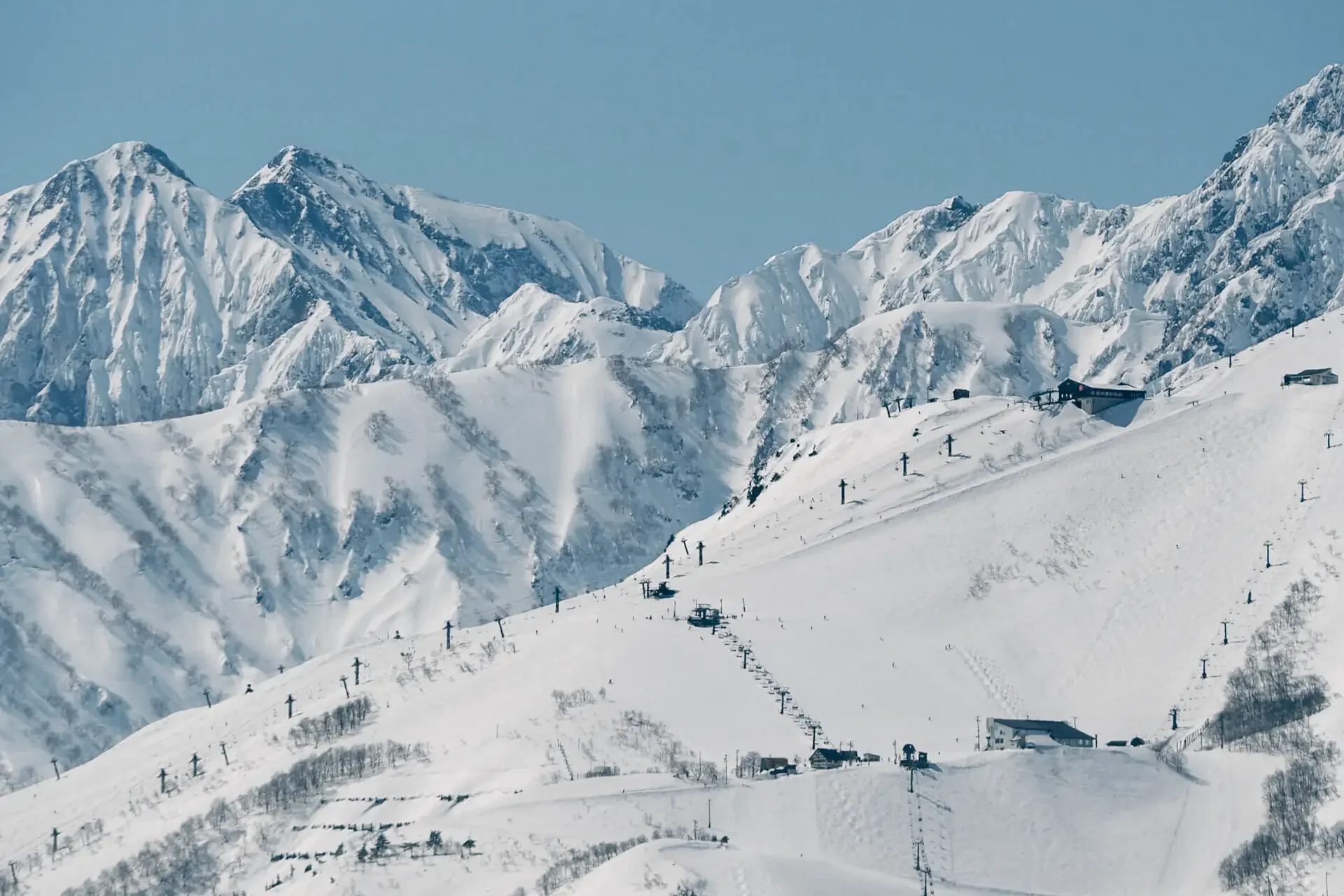
Ski & Snowboard History: Skiing in Hakuba dates back to the 1930s. Happo-One developed into one of Japan's premier racing venues throughout the postwar decades. The valley's international profile was transformed by the 1998 Nagano Winter Olympics, which brought the downhill, super-G, slalom, and ski jumping events to the region and triggered a wave of infrastructure investment that continues to shape the valley today. Hakuba has since become one of Asia's most important freestyle and freeride venues, hosting World Cup events across multiple disciplines.
OTARU
Hokkaido Prefecture
Interesting Facts: Otaru was once one of Hokkaido's most economically significant cities, serving as the financial and trading hub of the island during the Meiji period. The city has a strong association with herring fishing, which drove its early prosperity, and its stone canal warehouses are now protected as important cultural heritage sites. Otaru is also considered one of Japan's finest destinations for sushi, with the cold waters off Hokkaido producing outstanding seafood year round.
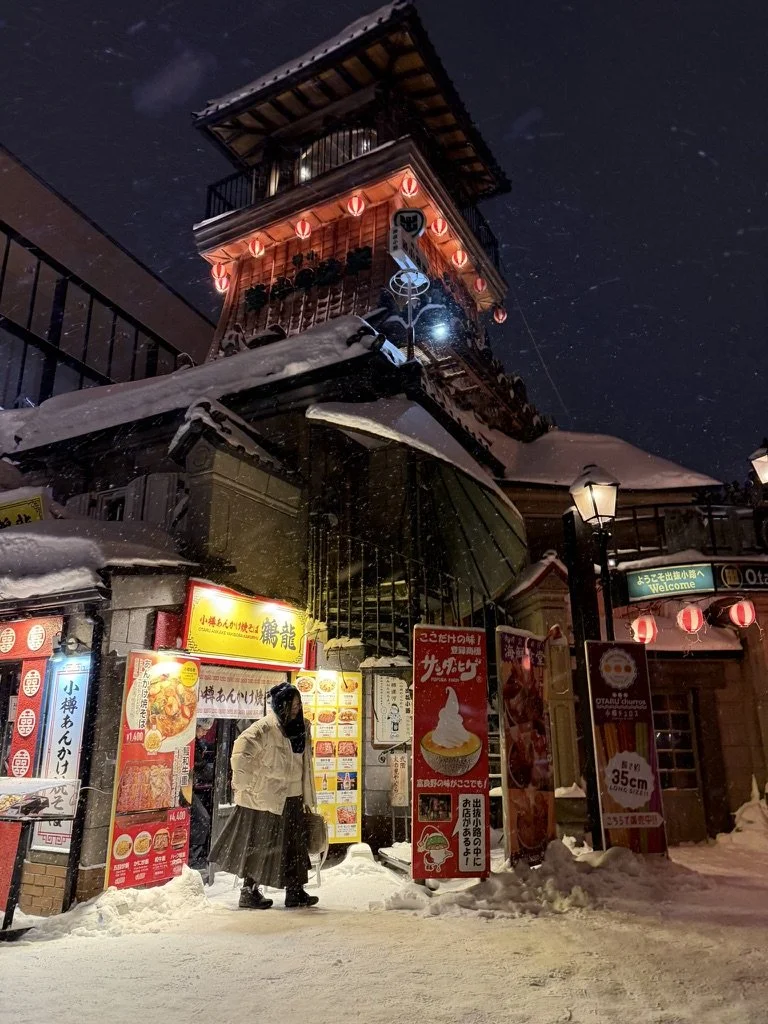
Profile: A city surrounded by 12 ski resorts and receives some of the best arctic powder just a few miles off ocean
Ski & Snowboard History: While Otaru itself is not a ski destination, the nearby Kiroro Resort has quietly built a reputation as one of Hokkaido's finest powder venues, favoured by those seeking an alternative to the crowds of Niseko. Kiroro receives exceptional snowfall and has a long history as a local Hokkaido ski area before gradually attracting wider international attention in recent years.
Niseko
Hokkaido Prefecture
Known For: World-class powder, liberal off-piste access, international resort infrastructure, Mount Yotei views
Season: December – March
Nearest Airport: New Chitose Airport, approximately 2 hours by road or shuttle
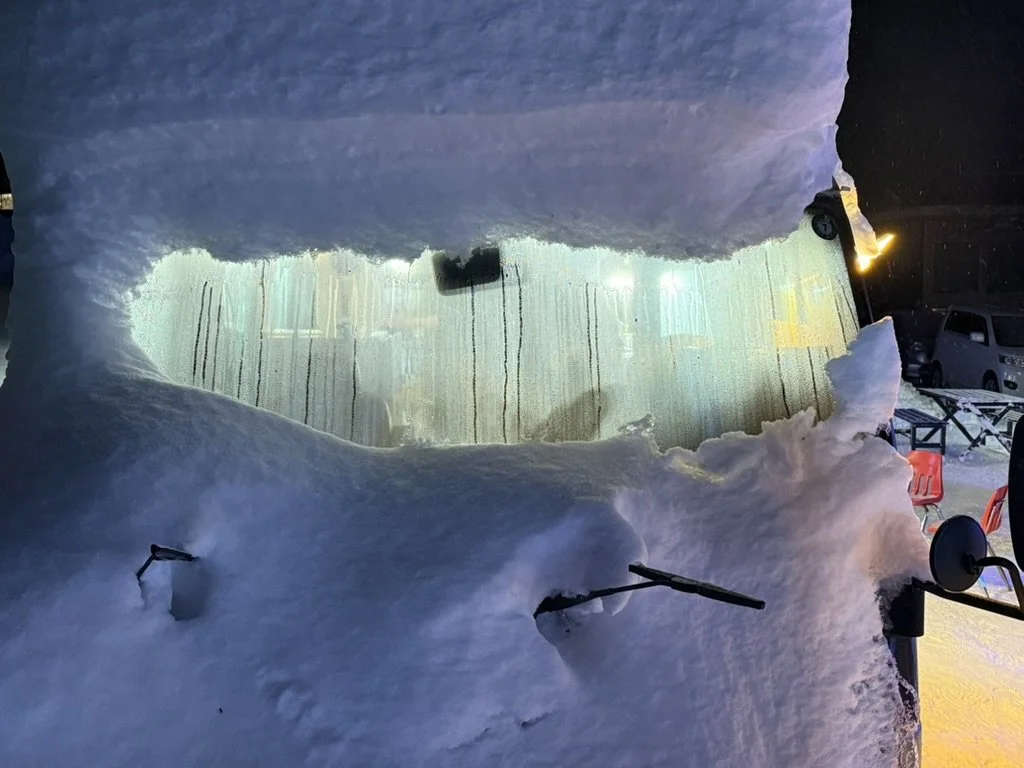
Snow Profile: Exceptionally light, dry Siberian powder averaging fifteen-plus metres annually
Interesting Facts: Mount Yotei, the dormant volcano dominating the Niseko skyline, is often referred to as Hokkaido's Fuji for its near-perfect conical shape. The resort town has seen some of the most rapid real estate price growth of any ski destination in the world over the past decade. Niseko is also celebrated for its onsen culture, with numerous natural hot springs in the surrounding area offering an authentic Japanese counterpoint to its increasingly international resort atmosphere.
Ski & Snowboard History: Skiing in the Niseko area dates back to the 1930s, with the mountain developing steadily as a domestic Japanese resort through the postwar decades. The resort's international transformation began in the late 1990s and accelerated dramatically through the 2000s, driven largely by Australian skiers who discovered its powder and began spreading the word. Niseko subsequently attracted major investment from Australian, Singaporean, and Hong Kong developers and is now one of Asia's most significant ski resort economies. It has also become an important venue for professional freeskiing and snowboarding, with its backcountry terrain regularly featured in international ski and snowboard media.