SKI ACROSS THE HIGHEST BATTLEFIELD
The Ortler Traverse stands as one of the most compelling ski mountaineering circuits in the Central Alps. This demanding route through Italy's South Tyrol region covers approximately 80-100 kilometers through terrain that was once a brutal frontline, threading past the frozen remnants of the highest-elevation warfare ever conducted.
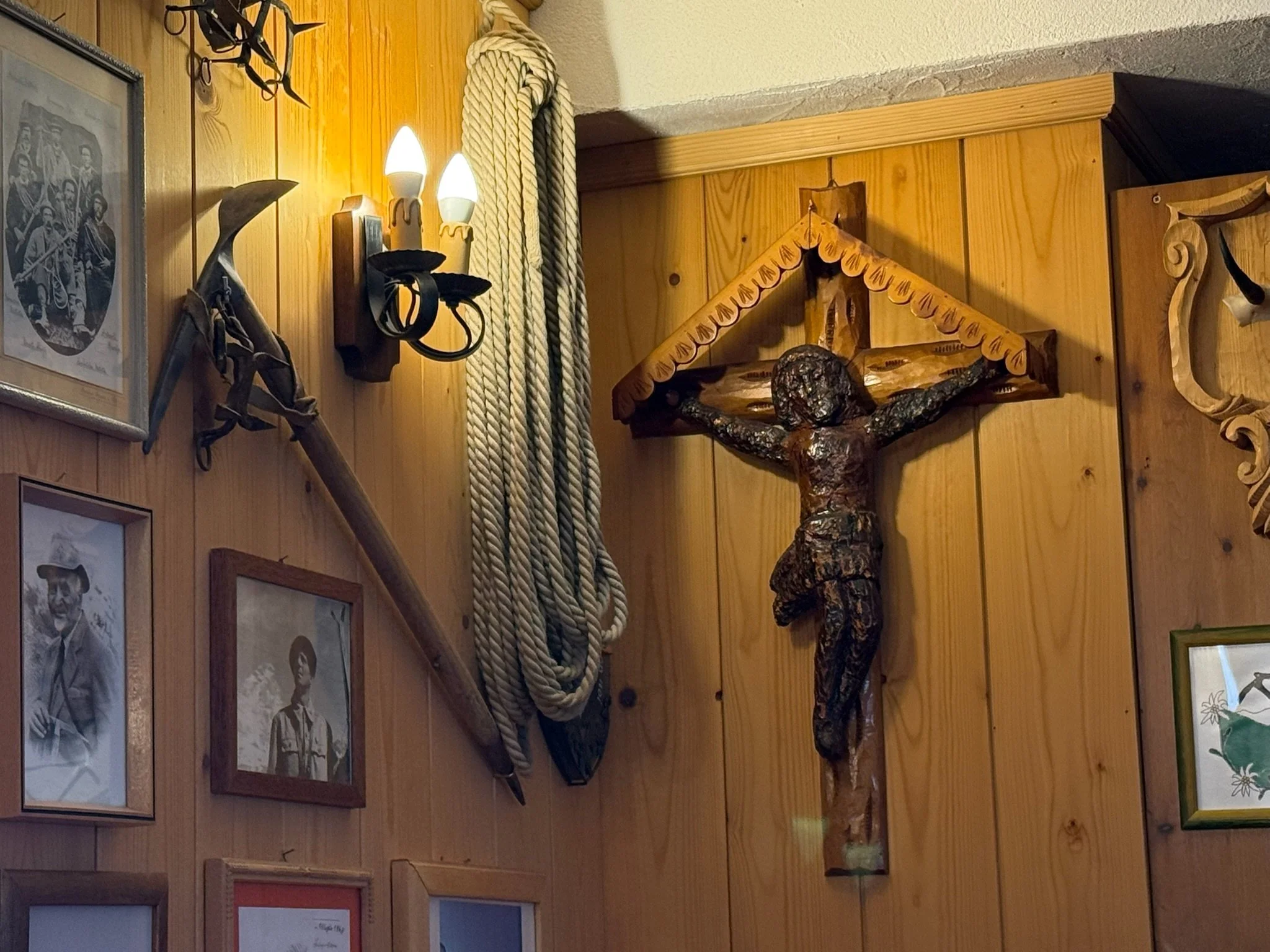
Between 1915 and 1918, these mountains became the arena for desperate Austro-Hungarian and Italian combat at altitudes where survival itself was the primary enemy. The peaks and passes you traverse today were fortified positions, supply routes, and killing grounds where soldiers fought not just each other but altitude sickness, frostbite, and avalanches that claimed more lives than bullets. The landscape is still studded with barbed wire, ammunition, artillery emplacements carved into rock, and the ghostly remains of military structures clinging impossibly to ridgelines. Trenches and dugouts snake across slopes at 3,000+ meters. You'll ski past rusted cannons, corroded ammunition caches, and the physical evidence of a war fought in conditions so extreme that it stands unique in military history.
The traverse typically takes four to six days, moving between high mountain huts or bivouacs. You'll navigate the Sforzellina and Marlet Glacier, and numerous passes—many of them still bearing the scars and artifacts of 1915-1918. Each col and couloir tells a story of survival and sacrifice at the edge of human endurance.
What sustains you through this journey, however, is not just your own reserves but the generosity of the hut keepers. The families who tend these remote refuges offer a warmth and gracious atmosphere that feels almost improbable given the severity of their surroundings. They greet exhausted mountaineers at the door with genuine hospitality, their kitchens producing food that transcends anything you'll find at lower elevations. Simple ingredients—local cheeses, cured meats, fresh pasta, seasonal vegetables—are transformed into meals of remarkable quality and soul. After a punishing day on the glacier, sitting in a hut dining room with a bowl of rich minestrone or handmade spätzle feels like grace.
And then comes the ritual: as evening settles and the mountains darken beyond the windows, the hut keeper produces bottles of homemade Genepi—the traditional Alpine herbal digestif distilled from the delicate genepi flower that grows only at high altitude. Each hut has its own recipe, its own character. Some bottles are clear and bright, others amber with age. The liqueur burns gently going down, warming you from within, tasting of stone and herbs and the distilled essence of the high mountains themselves.
This route demands intermediate-level ski mountaineering skills: glacier travel, and moderate steep skiing. It also demands a respect for history, an awareness that the mountain's difficulty is compounded by the weight of what happened here. Weather can turn brutally fast, altitude effects are real, and rescue options are genuinely remote.
This is not a traverse for beginners. The continuous altitude, steep daily ascents and descents, complex glacier navigation, objective hazards, and genuine isolation place it squarely in the domain of elite ski mountaineers. But for those prepared to meet its exacting demands, the Ortler Traverse offers something rare: an extraordinary journey through one of Europe's most unforgiving mountains—a direct encounter with one of history's most extraordinary human stories—and the unexpected kindness of mountain people who understand that sustenance comes in many forms.
Details
-
March - April
-
8 days of amazing skiing through the heart of the western Alps.
-
Intermediate (need to be able to ski a variety of snow conditions)
Physical Fitness: High (need to be able to ski 5k to 7k days back to back)
-
1 : 4
-
Starting in Chamonix. End in Zermatt.